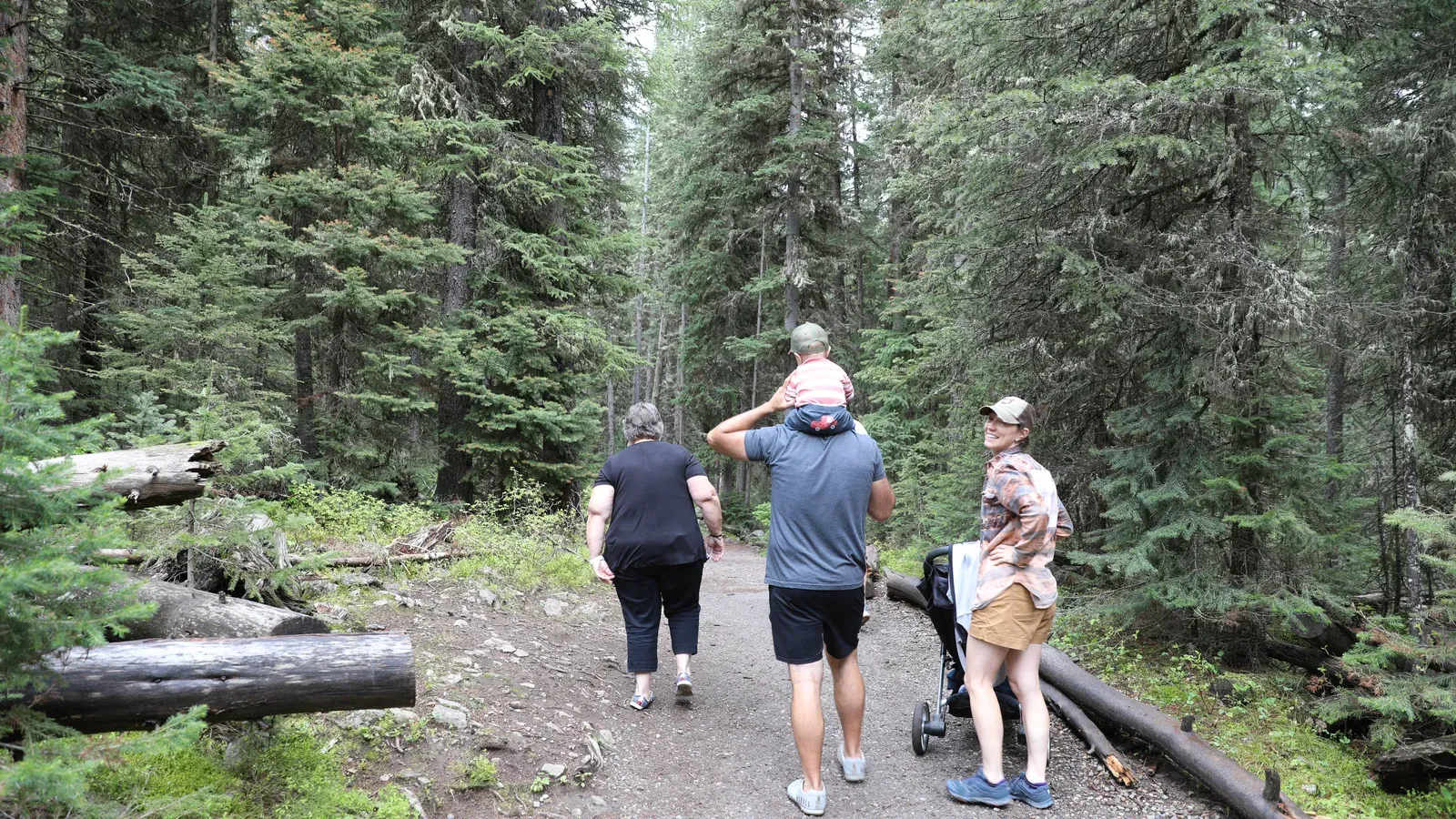
A treehouse or forest stay can be a genuinely memorable family trip — there's a particular kind of wonder kids (and plenty of adults) get from sleeping among the trees. It also requires a bit more planning consideration than a standard hotel stay, given elevated access, variable amenities, and a more rustic setting than most families are used to. This guide covers what to think through when planning a family getaway centered on treehouse, cabin, or forest lodging.
Choosing Age-Appropriate Lodging
Not every treehouse or forest property is well suited to every age group, and being honest about your family's specific needs makes for a smoother trip:
- Young children (under 5): Elevated stairs, open railings, and rope or suspension bridge access can pose real fall risk for young kids. Properties with fully enclosed stairwells, solid railings, and ground-level bathroom access tend to be a better fit.
- School-age children (6–12): Generally more capable of navigating stairs and moderate elevation safely with supervision, and often the age group most enthusiastic about the novelty of a treehouse stay.
- Teens: Usually the most flexible group logistically, though may have different expectations around connectivity (Wi-Fi and cell signal), worth setting expectations for in advance.
Directly asking a property about railing height, stair enclosure, and general child-safety features before booking is a reasonable and common question — most family-oriented properties will have ready answers.
Questions Worth Asking Before Booking
- What is the maximum occupancy, and does it comfortably fit your family's size and ages?
- Are cribs, cots, or other child-specific equipment available, or do you need to bring your own?
- Is there a bathroom on the same level as the sleeping area, particularly relevant for families with younger children needing nighttime access?
- What is the property's policy on outdoor play areas, fire pits, or water features near the lodging?
- Is the surrounding area suitable for short, easy walks appropriate for young kids, or does it require more advanced hiking ability to reach nearby attractions?
Packing for a Family Forest Trip
- Layered clothing: Forest temperatures can shift significantly between day and night, and kids often run warmer or colder than adults expect.
- Insect protection: Age-appropriate insect repellent and, in tick-prone regions, appropriate clothing coverage for post-hike tick checks.
- A basic first-aid kit: Especially useful given the more remote setting of many forest properties, where the nearest pharmacy may be a meaningful drive away.
- A flashlight or headlamp per person: Elevated stairways and forest paths are often unlit at night — a flashlight is genuinely useful, not just a nice-to-have.
- Entertainment for downtime: Limited connectivity is common in forest settings; books, cards, or simple outdoor games can help fill unstructured time.
The families who tend to enjoy treehouse travel most are usually the ones who plan around the setting's realities — limited connectivity, elevated access, rustic amenities — rather than expecting a standard hotel experience in a forest wrapper.
Activities That Work Well With Kids
Short, low-stakes outdoor activities tend to be the best fit for family forest travel:
- Interpretive nature trails with signage, often specifically designed to hold kids' attention with short distances and educational content.
- Simple scavenger hunts — identifying specific leaf shapes, bird calls, or rock types — that turn a walk into a game.
- Stargazing, particularly valuable in forest settings with limited light pollution.
- Basic wildlife watching from a deck or window, which requires no hiking at all and can be a great activity for very young children.
See our full outdoor activities guide for more detail on activity types and seasonal timing.
Safety Considerations Specific to Families
Beyond general forest safety (covered in our travel tips guide), a few points are particularly relevant for families:
- Establish clear boundaries with kids about railing and stair use immediately upon arrival, before the excitement of exploring takes over.
- Do a walkthrough of the property's specific layout — including where the nearest bathroom, exit, and any emergency contact information is located — as soon as you check in.
- Confirm cell signal availability, and consider a simple family communication plan (a meeting point, for instance) if signal is unreliable.
- Review any wildlife-specific guidance for the region, particularly around food storage if bears are present locally.
How This Guide Was Put Together
This overview reflects general research into family travel safety practices and how forest and treehouse properties typically describe family suitability, intended as educational background rather than a review of any specific property. It does not guarantee availability of child-specific amenities or accommodations at any individual location — always confirm current details directly with the property before booking.