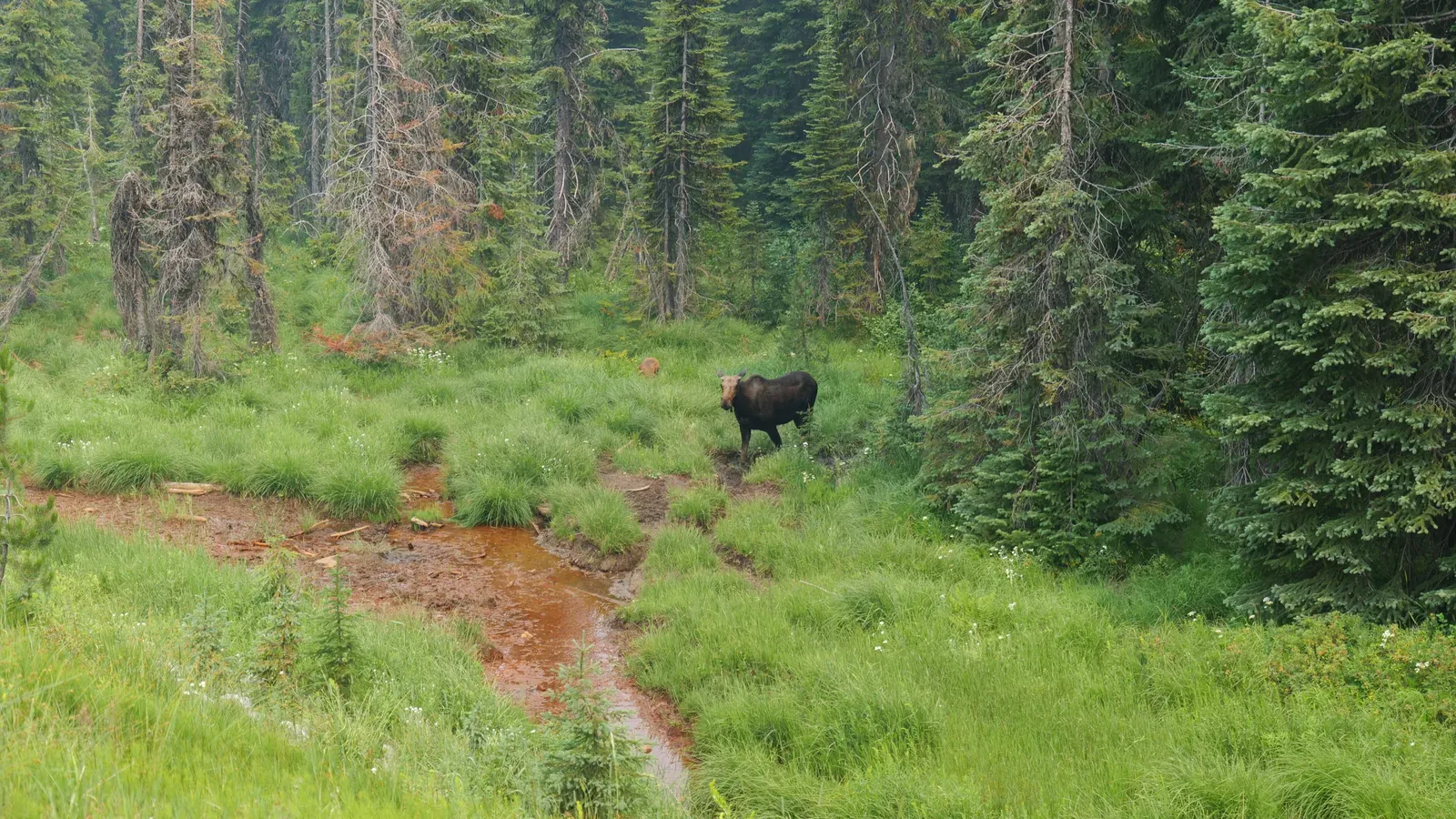
Proximity to wildlife is one of the defining appeals of a forest or treehouse stay — the chance to watch a deer move through the understory at dawn, hear an owl at dusk, or spot songbirds from an elevated deck at eye level with the canopy. It also comes with responsibility: forest wildlife is, by definition, wild, and enjoying it safely means understanding basic behavior patterns, keeping appropriate distance, and avoiding actions that put animals — or yourself — at unnecessary risk. This guide covers the wildlife most commonly encountered near forest lodging in the United States and general principles for safe, respectful observation.
Commonly Encountered Wildlife
The specific species you're likely to encounter depend heavily on region, but a few categories are broadly common across forested parts of the United States:
- White-tailed deer: Widespread across most of the country, frequently seen at dawn and dusk near forest edges and clearings.
- Songbirds and woodpeckers: Canopy-level stays often put visitors at eye level with species rarely seen this closely from the ground, making treehouses particularly well suited to birding.
- Black bears: Present in many forested regions, including parts of Appalachia, the Rockies, and the Pacific Northwest — generally shy of humans but requiring specific food-storage precautions.
- Small mammals: Squirrels, chipmunks, raccoons, and opossums are common near almost any forest lodging and are usually the wildlife visitors interact with most directly (and should feed least).
- Reptiles and amphibians: Depending on region and season, this can include various snake species (a small number of which are venomous, varying by region), salamanders, and frogs, particularly near water.
Because regional wildlife varies considerably, checking with a specific property or the relevant state wildlife agency for the most accurate, current local information is more reliable than general assumptions.
Safe Viewing Distances
Wildlife agencies commonly recommend maintaining significant distance from wild animals — general guidance from the National Park Service suggests at least 25 yards (about 23 meters) from most wildlife and at least 100 yards (about 91 meters) from predators such as bears and wolves, though specific regional guidance can vary and should take precedence. The core principle behind these numbers is simple: if an animal changes its behavior because of your presence — stops feeding, moves away, or becomes alert — you are too close.
Never Feed Wild Animals
Feeding wildlife, even unintentionally through improperly stored food or trash, is one of the most common ways human-wildlife conflict develops. Animals that associate humans with food often become bolder, lose natural foraging behavior, and in some cases must later be relocated or euthanized by wildlife management authorities as a result. Most forest properties provide specific guidance on food storage — following it protects both you and the animals themselves.
Bear Safety Basics
In regions with black bear populations, a few general precautions are widely recommended:
- Store food, trash, and scented items (including toiletries) in bear-proof storage when provided, or in a vehicle if not.
- Never approach a bear, and never position yourself between a mother and cubs.
- If you encounter a bear at a distance, back away slowly while facing it — do not run.
- Make noise while hiking in bear country to avoid startling an animal at close range.
Local property hosts and park ranger stations are the best source for current, region-specific bear activity guidance, since behavior and population density vary significantly by area and season.
Seasonal Wildlife Activity
- Spring: Increased overall activity as animals emerge from winter dormancy or return from migration; also birthing season for many species, meaning parental animals may be more protective and worth extra distance.
- Summer: Dawn and dusk remain the most active periods, with animals often less active during peak midday heat.
- Autumn: Many species increase feeding activity in preparation for winter, which can mean more frequent sightings, including of bears actively foraging.
- Winter: Reduced activity overall, with some species entering dormancy or migrating; sightings become less frequent but tracks in snow can offer a different way to observe wildlife presence.
The most rewarding wildlife encounters are almost always the ones where the animal never noticed you were there — patience and distance tend to produce better sightings than proximity.
Photography and Wildlife
A telephoto lens is the single most useful tool for wildlife photography precisely because it lets you maintain a safe, non-disruptive distance while still capturing detail. Flash photography can startle or disorient nocturnal or low-light-adapted species and is generally discouraged for wildlife subjects. See our photography guide for more detail on equipment and technique.
What to Do If You Encounter Wildlife Up Close
- Stay calm and avoid sudden movements.
- Do not run, which can trigger a chase response in some species.
- Speak in a calm, low voice and back away slowly.
- Give the animal a clear path to retreat — never corner a wild animal.
- Report unusually bold or aggressive wildlife behavior to the property host or local wildlife authority.
How This Guide Was Put Together
This overview reflects general research cross-referenced against publicly available wildlife safety guidance from agencies such as the National Park Service and state wildlife departments, intended as educational background rather than a substitute for official, region-specific safety guidance. Wildlife behavior and regional risk vary by location and season — always check current advisories with local park authorities before a trip.