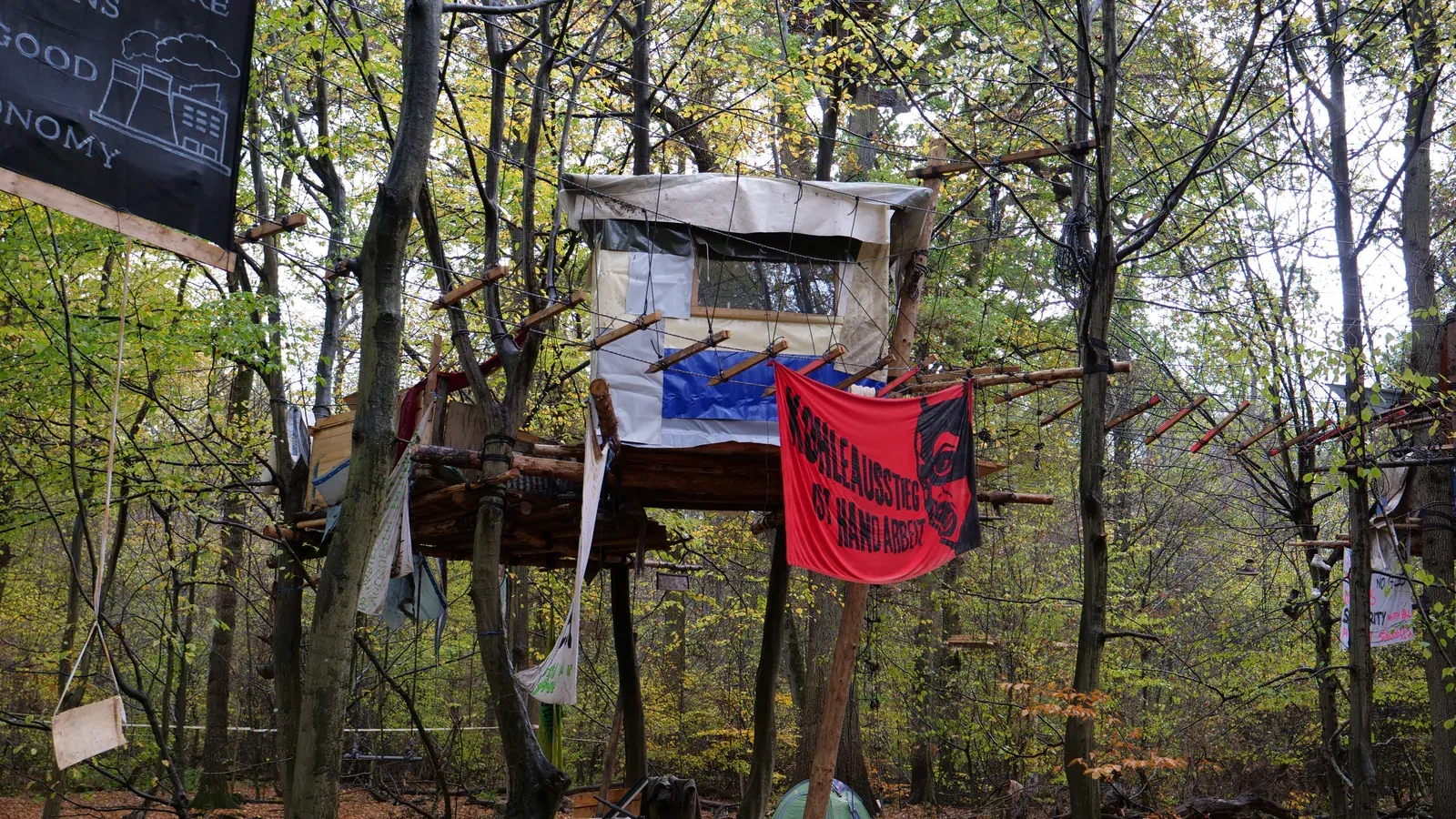
A treehouse stay is one of the few kinds of travel accommodation that changes how a place feels simply by changing your elevation. Lifted a dozen or more feet above the forest floor, a treehouse reframes an ordinary patch of woods into something closer to a lookout post: the canopy becomes a ceiling, the understory becomes a view, and sounds that would otherwise blend into background noise — wind moving through leaves, birdsong at first light, rain on a metal roof — become the defining texture of the stay. This guide explains how treehouse accommodations are typically designed and built, what amenities and access conditions travelers commonly encounter, how the experience shifts across seasons, and what questions are worth asking before you book.
How Treehouse Structures Are Typically Built
Not every structure marketed as a "treehouse" is suspended entirely within a tree's branches. In practice, most professionally built treehouse accommodations in the United States use one of a few structural approaches, and understanding the difference can help set realistic expectations.
- Tree-supported platforms: The most traditional approach, where a platform is anchored to one or more mature, structurally sound trees using specialized hardware such as Garnier Limbs (GL) bolts, which allow the tree to continue growing and flexing in wind without damaging the structure.
- Hybrid post-and-tree construction: A platform partially supported by ground-based posts or pilings and partially by tree anchors, often used when a single tree cannot safely bear the full structural load, or when local codes require independent support.
- Elevated stilt cabins near tree canopy: Structures built entirely on posts or stilts within or beside a forest canopy, offering a comparable sense of elevation and immersion without direct reliance on a living tree for support.
Reputable operators generally work with a certified arborist during the design phase to evaluate tree health, species, root stability, and load tolerance before construction begins. If a listing or property description provides any detail about how the structure is supported, that is generally a good sign of a thoughtfully engineered build.
Access and Mobility Considerations
Access typically involves a staircase, a ramp, or in some cases a suspension bridge connecting the treehouse to the ground or to a parking area. Because treehouses are, by definition, elevated, they are rarely suited to travelers with significant mobility limitations, and stairs with open risers or rope-and-cable bridge elements can be a meaningful consideration for families traveling with young children or with pets. If accessibility is a concern, it is worth contacting the property directly before booking to ask about the specific number of steps, handrail coverage, and whether the path is lit at night.
What Amenities to Expect
Amenity levels vary widely across treehouse properties, from rustic and minimalist to fully appointed. Broadly, most stays fall into one of three tiers:
- Rustic / off-grid style: Basic sleeping quarters, often without an attached bathroom, sometimes reliant on a separate bathhouse, propane lighting, or limited electricity. These stays tend to emphasize immersion over convenience.
- Mid-range comfort: A private bathroom, standard electricity, a small kitchenette or coffee station, heating or a wood stove, and reliable weatherproofing.
- High-comfort / boutique style: Full bathrooms with hot water, climate control, higher-end furnishings, sometimes a hot tub or soaking tub on an attached deck, and stronger insulation for year-round use.
Because treehouses are custom-built rather than mass-produced, amenities can differ significantly even between two properties in the same region. Reviewing a property's own listed amenities — rather than assuming based on price or photos alone — is the most reliable way to understand what a specific stay includes.
Connectivity and Noise
Many travelers choose a treehouse stay specifically to get away from constant connectivity, and it's worth knowing that Wi-Fi and cellular signal can be inconsistent in forested, elevated settings, particularly in more remote regions. If staying connected is important for work or safety reasons, it is reasonable to ask the property directly about signal strength and whether the surrounding trees or terrain affect reception.
Seasonal Considerations
Because a treehouse sits within — rather than apart from — its environment, the season of your visit affects the experience more than it might for a conventional hotel room.
- Spring: New foliage returns, wildlife activity increases, and temperatures are often mild, though spring storms can affect both comfort and, in some regions, structural access such as bridge crossings.
- Summer: Full canopy cover provides shade and privacy, but interior temperatures in un-insulated or non-air-conditioned structures can run warm, particularly in southern regions. Insects are typically more active.
- Autumn: Widely considered a favorite season for treehouse travel in much of the country, combining moderate temperatures with visible foliage change, though this also tends to be a higher-demand booking period.
- Winter: Leafless trees can open up longer sightlines through the forest, and some travelers enjoy the quieter off-season atmosphere, but not all treehouse structures are insulated or heated for cold-weather use. Confirming winter availability and heating directly with the property is essential.
Treehouse structures respond to their environment in ways conventional buildings don't — a well-run property should be able to speak plainly about how the structure performs in extreme heat, cold, or storms specific to its region.
Weather and Safety Awareness
Elevated wooden structures surrounded by trees carry a distinct set of weather-related considerations compared to ground-level lodging. Wind exposure is generally greater at height, and severe thunderstorms or high-wind advisories may affect both comfort and, in some cases, a property's own safety protocols. Reputable treehouse operators typically have a documented severe-weather policy, and it is reasonable to ask about this before traveling, particularly during storm-prone seasons in a given region.
Falling branches, insect activity (including ticks and stinging insects common to wooded environments), and uneven or root-covered walking paths are also part of the general environment. None of this is unique to treehouse travel — it reflects ordinary outdoor and forest conditions — but travelers who are less accustomed to wooded settings may find it useful to pack accordingly (sturdy shoes, insect protection, a flashlight for night access) and to review the property's own guidance in advance.
Choosing a Treehouse Stay
When comparing options, a few questions tend to be more revealing than star ratings or photos alone:
- How is the structure supported, and was a professional (arborist or structural engineer) involved in its design?
- What is included versus what requires an additional arrangement (linens, firewood, breakfast, parking)?
- What does access look like at night, and is lighting provided along the path or bridge?
- Is the property staffed on-site, or is it a self-check-in arrangement, and how is support handled if something goes wrong after hours?
- What is the property's policy for severe weather, and has the structure been through recent inspection?
Direct communication with a property or host before booking is one of the most reliable ways to confirm these details, since listing photos alone cannot convey structural maintenance history, current weather conditions, or seasonal amenity availability.
How This Guide Was Put Together
This overview reflects general research into how treehouse accommodations are commonly designed, operated, and reviewed in the United States, cross-checked against publicly available construction and hospitality resources. It is intended as general educational background rather than a review of any specific property, and it does not constitute a guarantee of availability, pricing, or conditions at any individual location. Always verify current details directly with a property or booking platform before making travel plans.