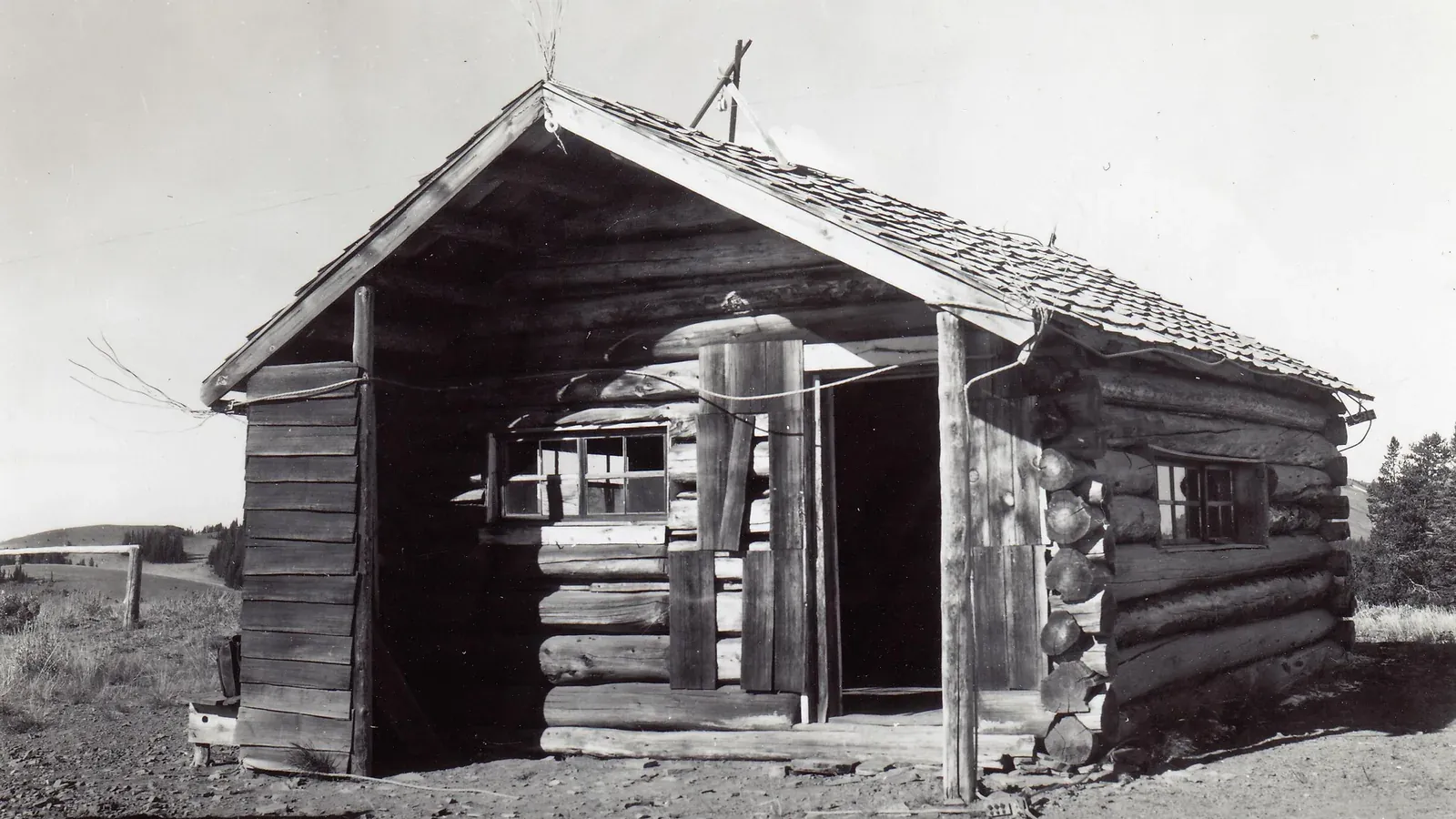
The term "forest retreat" covers a fairly broad category of travel, ranging from a quiet weekend cabin surrounded by trees to a structured multi-day program built around guided nature walks, mindfulness practice, or seasonal wellness themes. What unites them is intention: a forest retreat is generally chosen not just for where it is, but for the pace and headspace it's meant to encourage. This guide walks through the common formats, what to expect logistically, and how to evaluate whether a given retreat matches what you're actually looking for.
Common Formats for Forest Retreats
Because "retreat" is not a regulated or standardized term, it's worth understanding the general categories travelers tend to encounter:
- Self-directed stays: A private cabin, cottage, or lodge in a forested setting with no structured programming — the retreat is simply the setting and the unscheduled time it provides.
- Guided wellness retreats: Multi-day programs with a set schedule that might include guided forest walks, breathwork or meditation sessions, and communal meals, often led by a facilitator or small team.
- Nature-education retreats: Programs centered on learning — tree identification, foraging basics, birding, or ecology-focused walks — often hosted through nature centers, conservancies, or naturalist-led operators.
- Seasonal or thematic retreats: Shorter stays built around a specific seasonal event, such as autumn foliage, spring wildflower blooms, or winter stillness.
None of these formats is inherently "better" — the right fit depends on whether you're looking for structure or open time, solitude or a small group setting, and activity or rest.
Group Size and Privacy
Guided retreats can range from intimate (fewer than ten participants) to considerably larger group programs. If personal space and quiet matter to you, it's worth asking directly about expected group size, whether accommodations are private or shared, and how much of the schedule is optional versus mandatory.
What to Expect Logistically
Forest retreat locations are, by nature, often somewhat removed from dense infrastructure, and it helps to plan around a few practical realities:
- Travel time: The final approach to many forest retreat properties involves unpaved or winding rural roads; checking real-time directions and allowing extra travel time is generally wise.
- Connectivity: Cell signal and Wi-Fi are frequently limited by design or by location, which is often part of the intended experience but worth planning for if you need to stay reachable.
- Meals: Some retreats include all meals as part of a program fee; others are self-catered. Confirming which applies — along with how dietary restrictions are handled — avoids surprises.
- What to pack: Layered clothing, sturdy closed-toe footwear, a reusable water bottle, and weather-appropriate outerwear are useful for nearly any forest retreat, regardless of season.
Seasonal Character of Forest Retreats
Forests change dramatically across the year, and the character of a retreat shifts along with them.
- Spring: New growth, wildflower blooms in many regions, and generally mild but variable weather — a good season for retreats focused on renewal themes, though rain gear is worth packing.
- Summer: Full canopy shade, longer daylight hours for extended walks, and typically the highest demand period for guided programs, meaning earlier booking is often necessary.
- Autumn: Cooler temperatures and, in many parts of the country, striking foliage color — frequently considered a favorite season for forest retreats, especially in the Appalachian and northeastern regions.
- Winter: A quieter, starker forest character with fewer crowds; some retreat properties reduce programming or close seasonally, so confirming winter operations in advance is important.
A retreat's value often has less to do with amenities than with whether its pace matches what you actually need from the time away — that's worth being honest with yourself about before booking.
Evaluating Wellness Claims
Forest environments are widely associated with stress reduction and general well-being benefits, a concept sometimes referred to as "forest bathing" or shinrin-yoku. While there is a reasonable body of general research on time in nature supporting relaxation and mood, individual retreats vary enormously in their approach, and claims made by any specific program — particularly around health outcomes — should be evaluated with the same care you'd apply to any wellness claim. A retreat can be a genuinely restorative experience without needing to promise specific measurable health results, and it's worth being cautious of any program that guarantees outcomes rather than simply describing its format.
Questions Worth Asking Before Booking
- Is the schedule structured or open, and how much is optional?
- What is included in the stated cost (meals, guided sessions, materials) versus what costs extra?
- What is the cancellation and weather-contingency policy?
- Who leads any guided components, and what is their relevant background or training?
- What is the property's approach to accessibility, dietary needs, and group size limits?
Reaching out directly to a retreat operator with these questions before booking is typically the most reliable way to confirm fit, since marketing materials alone rarely capture day-to-day pacing or group dynamics.
Safety and Preparedness
Even a self-directed or low-intensity forest retreat involves ordinary outdoor considerations: uneven terrain, variable weather, and limited nearby emergency services in more remote locations. Bringing a basic first-aid kit, informing someone of your general itinerary, and checking regional weather and any active advisories (such as wildfire risk in drier western regions) before departure are sensible precautions for any forest stay, guided or otherwise.
How This Guide Was Put Together
This overview reflects general research into how forest retreat programs are commonly structured and marketed in the United States, intended as educational background rather than a review or endorsement of any specific retreat operator. It does not constitute health, wellness, or medical advice, and it does not guarantee availability, program content, or outcomes at any individual property. Always confirm current details directly with the retreat organizer before booking or traveling.