Forest and treehouse travel rewards a bit of extra preparation compared to a standard city or resort trip — not because it's inherently difficult, but because the setting is less predictable and, in many cases, less infrastructure-dense than travelers are used to. This guide collects practical, general advice covering packing, weather, connectivity, and budgeting for a forest-based trip, organized so you can jump to the section most relevant to your planning stage.
Packing Essentials
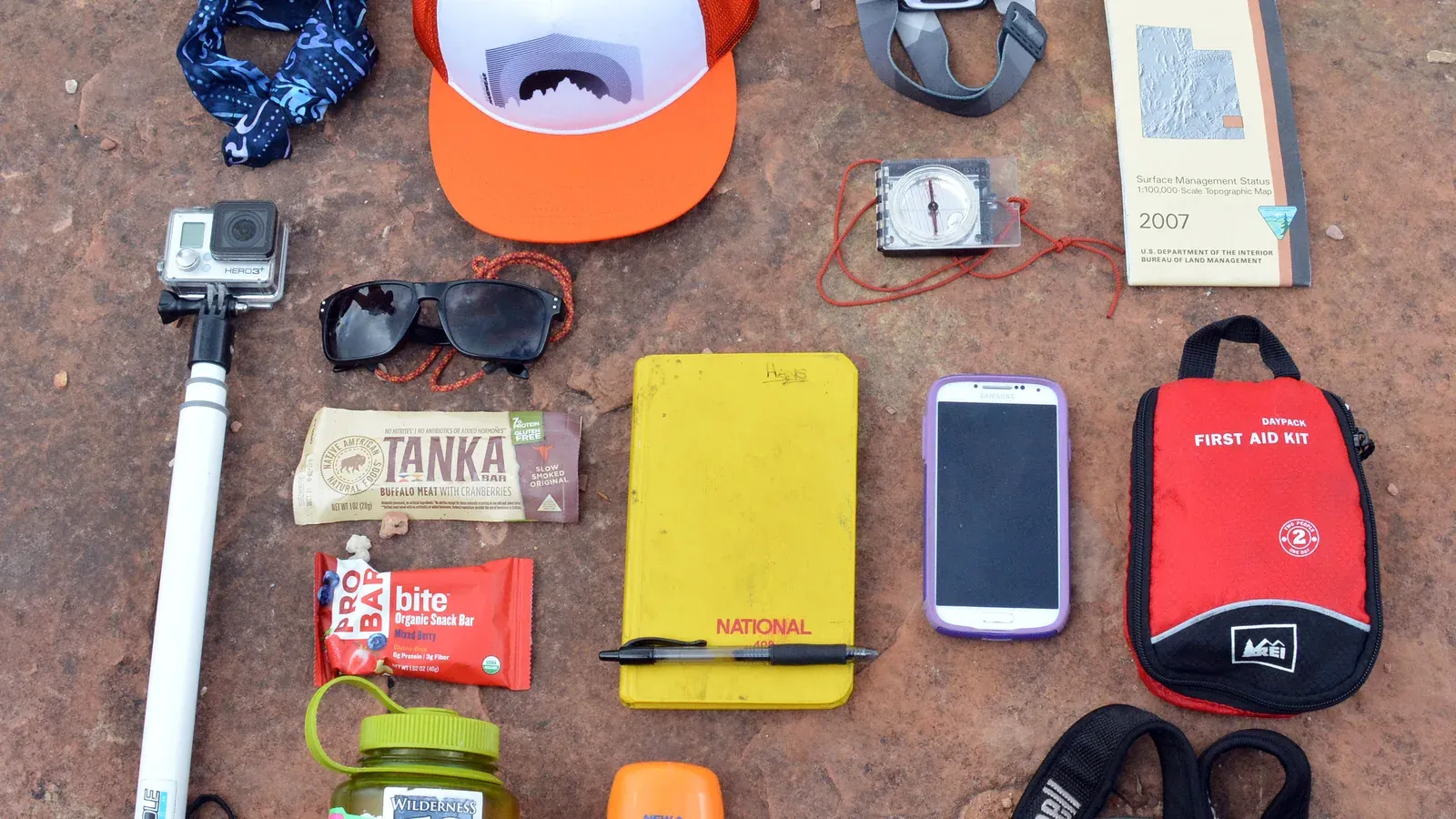
A well-packed bag for forest travel tends to prioritize adaptability over volume:
- Layered clothing: Forest temperatures can swing significantly between day and night, and elevation change alone can shift the local climate more than travelers expect.
- Sturdy, broken-in footwear: Uneven trails, wet decking, and root-covered paths make supportive, closed-toe shoes far more useful than casual footwear.
- Rain protection: A packable rain jacket and, ideally, a dry bag or cover for electronics — forest weather can shift quickly and with little warning.
- A headlamp or flashlight: Elevated stairways and forest paths are frequently unlit after dark.
- Insect protection: Repellent appropriate for the region and season, and in tick-prone areas, clothing that allows for easy post-hike checks.
- A basic first-aid kit: Particularly useful given that many forest properties are a meaningful distance from the nearest pharmacy or clinic.
Understanding Weather Before You Go
Because forest lodging is more exposed to the elements than a conventional hotel, checking the specific regional forecast — not just a general seasonal expectation — in the days immediately before travel is genuinely useful. A few things worth checking specifically:
- Any active severe weather advisories (thunderstorms, high wind, or, in western regions, wildfire smoke or fire restrictions).
- Overnight low temperatures, which can be significantly colder in forested or elevated areas than nearby valley or urban forecasts suggest.
- Recent precipitation, which affects trail conditions, river levels for paddling activities, and general access road conditions in more rural areas.
Connectivity Expectations
Cell signal and Wi-Fi are commonly limited in forested and elevated settings, sometimes by geography and sometimes by design. If staying reachable is important — for work, family, or general peace of mind — a few practical steps help: confirm signal availability directly with the property before booking, download offline maps for the area in advance, and share your general itinerary with someone before you lose signal. Many travelers find that limited connectivity becomes part of the appeal once they arrive, but it helps to plan for it rather than be surprised by it.
Budgeting for a Forest Trip
Costs for forest and treehouse travel vary enormously based on property type, region, and season, and this site does not track or publish specific pricing, since it changes frequently and varies by operator. A few general planning categories worth budgeting for regardless of destination:
- Lodging (which can vary significantly between rustic and boutique-tier properties, as discussed in our treehouse stays guide)
- Transportation, including any additional costs for reaching more remote rural properties
- Meals, particularly if a property is self-catered and requires a grocery stop en route
- Guided activities or equipment rental, if applicable (paddling outfitters, guided hikes, etc.)
- A contingency buffer for weather-related changes, such as an unplanned extra night if a storm delays travel
The travelers who tend to have the smoothest forest trips are usually the ones who over-prepare for weather and under-plan the schedule, leaving room for the trip to unfold at its own pace.
Booking Considerations
A few general habits make for a smoother booking process regardless of destination:
- Read the property's specific cancellation and weather-contingency policy before booking, not after.
- Contact the property directly with any access, mobility, or amenity questions rather than relying solely on listing photos.
- Confirm what's included versus what requires an additional arrangement (linens, firewood, parking, early check-in).
- Ask about the nearest town, grocery store, and emergency services distance if traveling to a remote property.
General Health and Safety Habits
None of the following is unique to forest travel, but it's worth restating because remote settings amplify the consequences of skipping it: stay hydrated, especially at elevation or in heat; know basic signs of heat exhaustion, dehydration, and — in colder seasons — hypothermia; carry any necessary personal medication in sufficient supply, since nearby pharmacy access may be limited; and tell someone your general plans if heading out for an extended hike or activity away from your lodging.
How This Guide Was Put Together
This overview reflects general travel-preparedness practice and publicly available outdoor safety guidance, intended as educational background rather than destination-specific instructions. Conditions vary by location, season, and year — always check current, region-specific advisories before finalizing travel plans.