Treehouse stays, forest retreats, and elevated cabins are not evenly distributed across the country — they tend to cluster in regions with the right combination of mature forest cover, favorable climate, and a local culture of small-scale, nature-based hospitality. This guide surveys the broad regions of the United States most commonly associated with these kinds of stays, along with general notes on climate and the best travel windows for each. It is intended as a starting point for orienting your search, not a directory of specific properties.
Southern Appalachia
Stretching through western North Carolina, eastern Tennessee, and northern Georgia, the southern Appalachian region is one of the most established areas for treehouse and forest-cabin travel in the country, supported by dense hardwood forest cover, a long growing season, and a strong regional tradition of small cabin-based tourism. The area is known for dramatic elevation change, waterfalls, and some of the most vivid autumn foliage displays in the eastern United States. Summers are warm and humid; autumn (typically early-to-mid October at higher elevations) draws the heaviest travel demand for foliage viewing, while winters are generally mild at lower elevations but can bring snow at higher elevations.
The Pacific Northwest
Western Washington and Oregon offer a very different forest character: temperate rainforest, towering conifers, and a notably wetter, cooler climate. This region supports some of the tallest and oldest tree cover in the country, making it a natural draw for elevated and canopy-adjacent stays. Summers are mild and relatively dry compared to the rest of the year, making June through September the most reliable window for outdoor-focused travel, while the wetter months from October through April bring lush green landscapes but significantly more rainfall — worth planning around for anyone hoping to spend time on outdoor decks or walking trails.
Northern California and the Redwood Coast
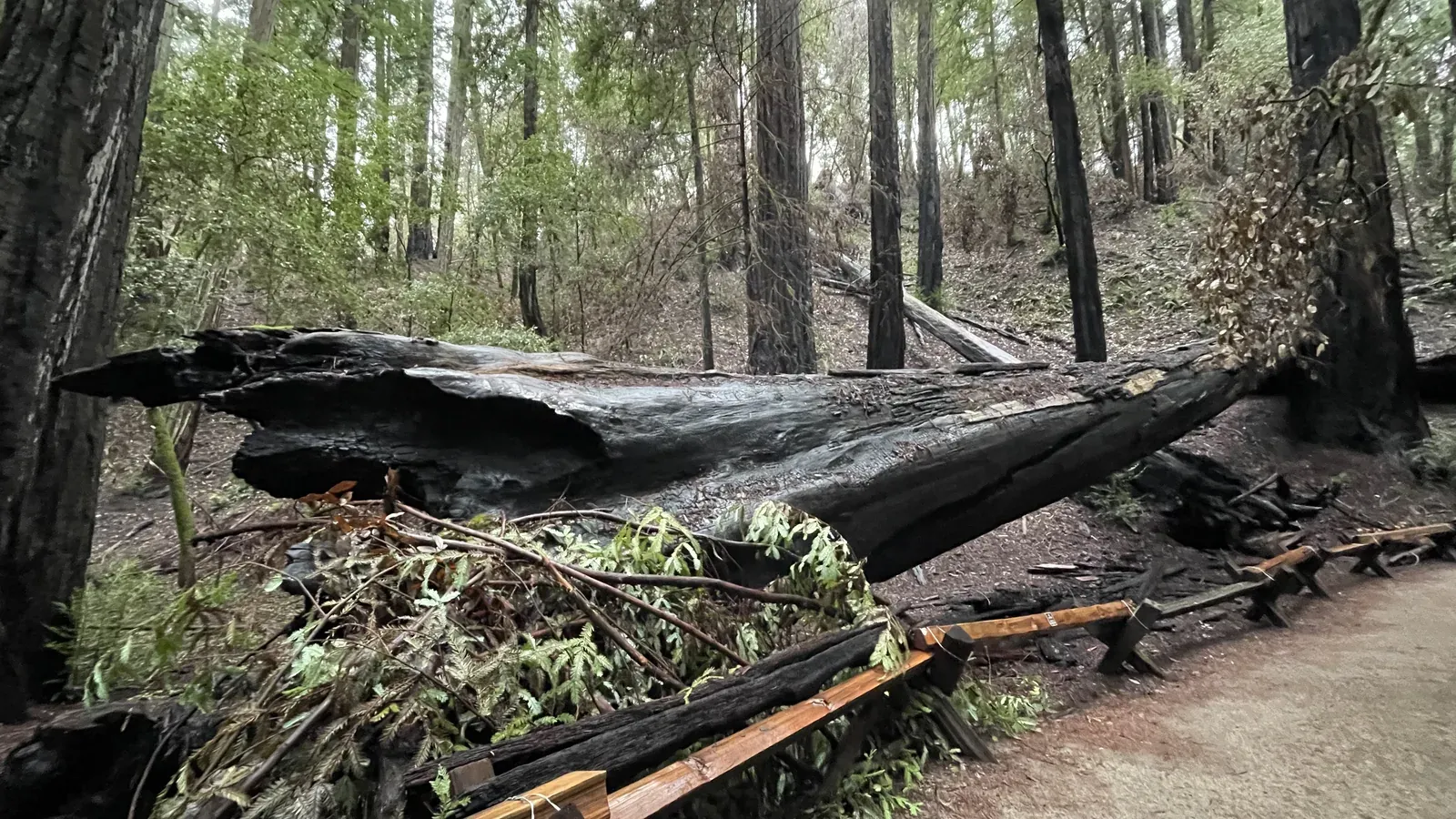
Home to some of the tallest trees on Earth, the redwood regions of northern California offer a uniquely dramatic forest-canopy experience. The coastal climate here tends to be cooler and foggier than inland California, with mild temperatures year-round, making it a comparatively flexible destination across seasons, though coastal fog is common in summer mornings.
New England and the Northeast
Vermont, New Hampshire, and parts of upstate New York offer a mixed hardwood-and-conifer forest landscape with a strong seasonal identity — famous for autumn foliage, but also offering quiet, deeply green summers and snow-covered winters that some elevated cabin properties are specifically built to accommodate. This region tends to have a shorter, more concentrated peak travel season centered on fall foliage (typically late September through mid-October, varying by latitude and elevation).
The Ozarks and South-Central United States
The Ozark Mountains of Arkansas and Missouri offer a lower-elevation but heavily forested landscape with a growing presence of cabin and treehouse-style lodging, often centered around rivers and lakes. The climate here tends toward hot, humid summers and mild winters, making spring and autumn the most temperate windows for travel.
How to Think About Choosing a Region
- Foliage and seasonal color: If autumn color is a priority, Appalachian and New England regions are generally the strongest match, though timing varies by elevation and year-to-year weather.
- Tree scale and old growth: The Pacific Northwest and Northern California redwood regions offer some of the largest and oldest trees available for canopy-adjacent stays.
- Climate comfort: Coastal regions (Pacific Northwest, Northern California) tend to have milder year-round temperatures than continental interior regions, which see more seasonal extremes.
- Travel distance and access: Proximity to a regional airport or major highway varies significantly; more remote forest regions may require significant additional drive time from the nearest airport.
The "best" region has less to do with any objective ranking and more to do with matching a landscape's character and seasonal rhythm to what you're hoping to get out of the trip.
Researching a Specific Destination
Once you've narrowed to a general region, a few sources are useful for deeper research: state tourism offices often maintain updated seasonal travel advisories; national and state park services publish trail and access condition updates; and regional visitor bureaus can provide grounded, non-promotional information about current conditions. Cross-referencing more than one source is generally a good habit, since conditions such as trail closures, wildfire risk, or seasonal road access can change with little notice.
Environmental Awareness While Traveling
Forested destinations are, in most cases, also fragile ecosystems. Staying on marked trails, following any posted fire restrictions (particularly relevant in drier western regions during summer and early autumn), and respecting wildlife distance guidelines all help preserve the qualities that make these regions worth visiting in the first place. Many regions also have specific guidance around campfire use, food storage (to avoid attracting wildlife), and seasonal closures for habitat protection — checking current local guidance before a trip is a reasonable habit for any forest traveler.
How This Guide Was Put Together
This regional overview reflects general research into publicly available climate data, forest ecology, and regional tourism information, intended to help travelers orient an initial search rather than substitute for current, location-specific research. Conditions, access, and seasonal timing can vary from year to year — always confirm current details with local or regional tourism authorities before finalizing travel plans.