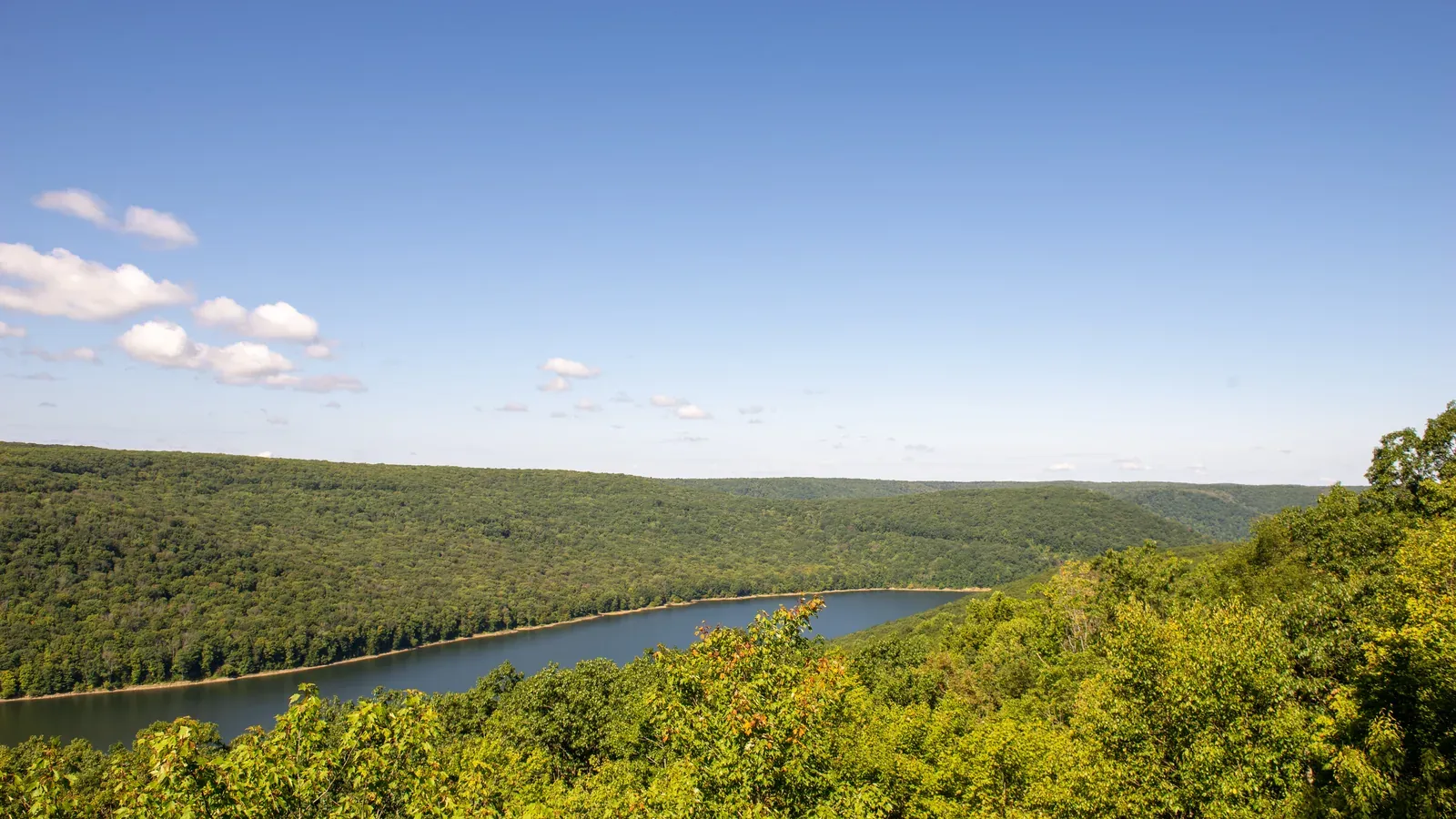
A treehouse, forest retreat, or elevated cabin is often just the base camp for a broader stretch of time spent outdoors. This guide surveys the outdoor activities most commonly available near forest lodging in the United States, along with general notes on skill level, seasonal timing, and safety preparation. It's written as a general orientation rather than a location-specific itinerary, since specific trail and activity availability varies by property and region.
Hiking
Hiking is the most universally available activity near forest lodging, ranging from short interpretive loop trails to multi-day backcountry routes. A few general categories are useful for planning:
- Interpretive and nature trails: Typically short (under two miles), flat or gently graded, and often accompanied by educational signage — a good fit for families or those looking for a lower-effort outing.
- Day hikes: Longer routes, often with meaningful elevation gain, generally requiring several hours and appropriate footwear and water.
- Backcountry and multi-day routes: Require more significant preparation, navigation skill, and often permits — generally best suited to experienced hikers.
Trail conditions can change significantly with weather and season, and many regions post current trail status through state park or national forest websites — checking before setting out is a good habit, particularly after storms or during shoulder seasons when trails may be muddy or partially washed out.
Paddling: Canoeing, Kayaking, and Rafting
Regions with rivers or lakes near forest lodging often support paddling activities, from calm flatwater kayaking suitable for beginners to whitewater rafting that requires guided trips and safety equipment. Water levels and safety conditions vary considerably by season — spring runoff, for example, can make certain rivers faster and more hazardous than their summer conditions would suggest. Life jackets are a baseline safety requirement in virtually all conditions, and first-time paddlers are generally better served by a guided outfitter than by self-directed trips on unfamiliar water.
Wildlife Viewing and Birding
Forest and canopy settings are naturally suited to wildlife observation, and many travelers combine a treehouse or forest stay specifically with birding or general wildlife-watching goals. Early morning and dusk tend to be the most active periods for wildlife movement. A pair of binoculars, a field guide or identification app, and patience are the main tools required — see our dedicated wildlife guide for more detail on species awareness and safe viewing distances.
Photography
Forest settings offer some of the more rewarding conditions for landscape and nature photography, particularly during "golden hour" light near sunrise and sunset, and during peak autumn foliage. Our separate photography guide goes into more detail on gear, timing, and etiquette for shooting in forest and wildlife settings.
Seasonal Activity Notes
- Spring: Wildflower blooms and higher water levels from snowmelt make this a strong season for both hiking and paddling, though trail mud and variable weather are common.
- Summer: The most consistent season for the widest range of activities, though heat, humidity, and insect activity (including ticks in many wooded regions) are worth planning around.
- Autumn: Cooler temperatures and reduced insect activity make this a favorite hiking season in much of the country, alongside the visual appeal of foliage.
- Winter: Many trails remain accessible but conditions can include ice or snow at higher elevations; some paddling and water activities become unavailable or require specialized cold-water gear.
Checking current trail, water, and weather conditions the same week as your trip is more reliable than planning entirely around general seasonal expectations, which can shift year to year.
General Safety Preparation
Regardless of activity, a few preparation habits apply broadly to outdoor recreation in forest settings:
- Check current weather and any active advisories (heat, storm, or fire-risk warnings) before heading out.
- Carry more water than you think you'll need, along with basic first-aid supplies.
- Tell someone your general route and expected return time, particularly for longer or more remote outings.
- Wear appropriate footwear for the terrain, and dress in layers for changing conditions.
- Know the signs of heat exhaustion, hypothermia, and dehydration relevant to the season you're traveling in.
Respecting the Environment
Popular outdoor destinations near forest lodging can experience real strain from high visitor volume. Staying on marked trails, packing out all trash, following any fire restrictions, and maintaining safe distance from wildlife all help preserve trail and habitat quality for future visitors. Many public lands operate under a "Leave No Trace" framework, and reviewing its general principles before a trip is a reasonable habit for any outdoor traveler.
How This Guide Was Put Together
This overview reflects general research into common outdoor recreation activities available near forest and treehouse lodging in the United States, intended as educational background rather than a location-specific itinerary. Trail conditions, water levels, seasonal access, and permit requirements vary by location and change over time — always confirm current conditions with local park authorities or outfitters before an outing.