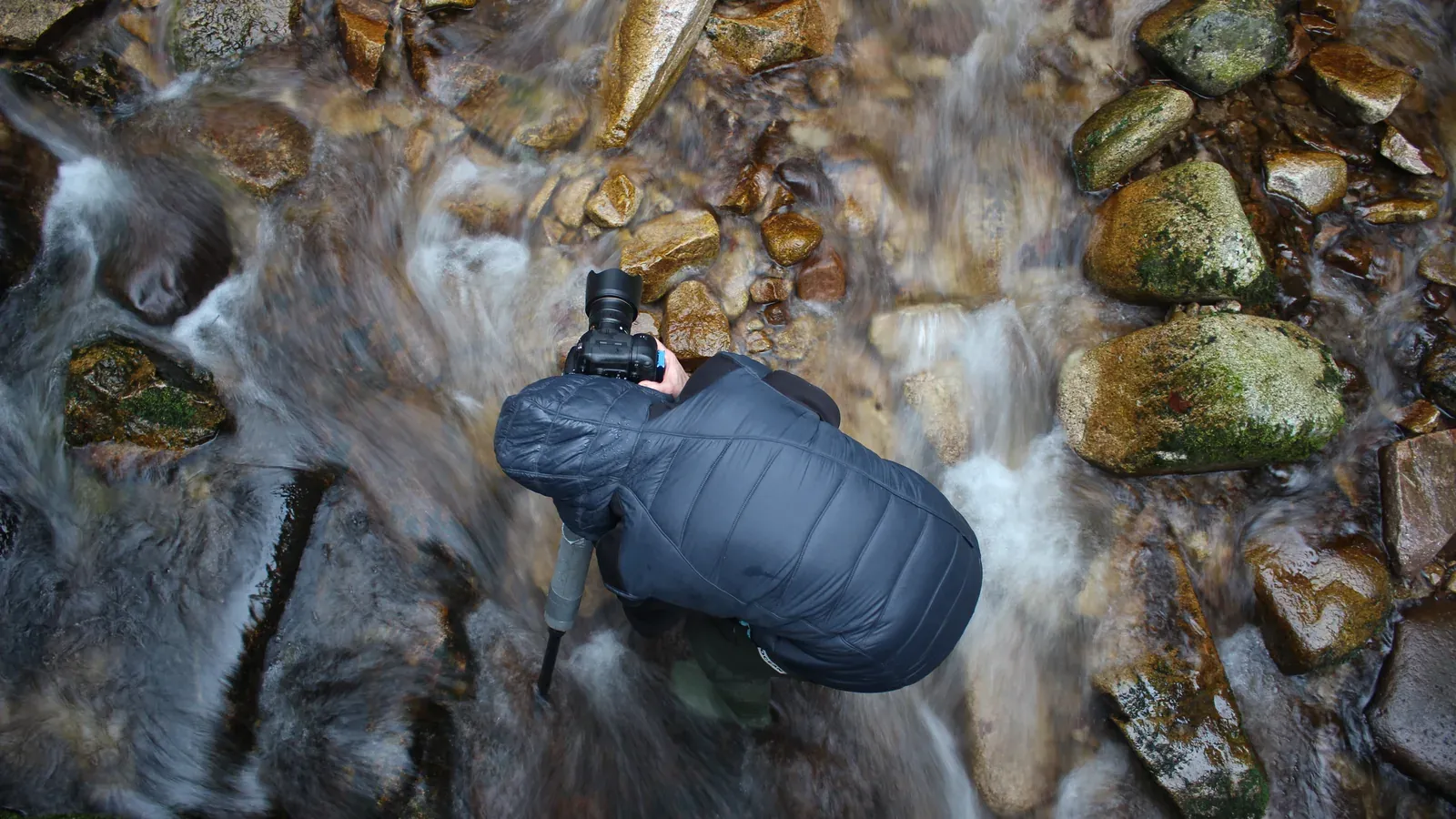
Forest environments present a distinct set of photographic challenges and opportunities compared to open landscapes: dappled, uneven light; dense, sometimes chaotic composition; and subjects — from towering canopy to small wildlife — that operate at very different scales. An elevated treehouse or cabin vantage point adds another layer, offering angles on the forest that are simply unavailable from the ground. This guide covers the practical basics of light, timing, composition, and gear for photographing forest and treehouse settings, along with etiquette for shooting wildlife responsibly.
Understanding Forest Light
Dense canopy filters and scatters sunlight unevenly, which is both the defining challenge and the defining charm of forest photography. A few general principles help:
- Overcast days are often better than sunny ones: Cloud cover acts as a natural diffuser, softening the harsh patches of direct light and shadow that direct sun creates through a canopy, and generally producing more even, saturated color in foliage.
- Golden hour still matters: The hour after sunrise and before sunset produces warm, low-angle light that can create dramatic rays through gaps in the canopy (sometimes called "god rays" or crepuscular rays), particularly effective with morning mist.
- Midday sun is the hardest light to work with: High-contrast dappled light at midday tends to create distracting bright spots and harsh shadows — worth avoiding for primary shooting sessions if your schedule allows flexibility.
Shooting From an Elevated Vantage Point
A treehouse or elevated cabin deck offers a genuinely different perspective on a forest: canopy-level views, layered sightlines through multiple tree levels, and often a wider unobstructed view than is available from the forest floor. A few practical notes for shooting from height:
- Wide-angle lenses tend to work well for capturing the sense of scale and layered depth an elevated view offers.
- Railings and structural elements can be used intentionally as foreground framing rather than treated purely as obstacles.
- Early morning light from an elevated deck, especially when mist sits low in the canopy, is one of the more reliably rewarding conditions for forest photography.
Composition in Dense Forest
Because forests are visually busy environments, composition often benefits from active simplification rather than trying to capture everything at once:
- Find a single strong subject: A distinctive tree, a shaft of light, or a trail curving out of frame gives the eye somewhere to land.
- Use natural framing: Overhanging branches or trunk gaps can frame a background subject and add depth.
- Look for repeating patterns: Rows of trunks, layered ferns, or repeated leaf shapes can create strong graphic compositions.
- Include a sense of scale: A person, structure, or recognizable object in frame helps convey just how large old-growth trees actually are — something that's easy to lose without a size reference.
Forest photography tends to reward patience and repeat visits at different times of day more than any specific piece of equipment.
Basic Gear Considerations
Forest photography doesn't require specialized equipment, but a few tools are broadly useful:
- A tripod: Low-light forest conditions often call for longer exposures, particularly at dawn, dusk, or in heavy overcast — a tripod helps maintain sharpness.
- A polarizing filter: Reduces glare on wet leaves and can deepen sky and foliage color, particularly useful after rain.
- A telephoto lens for wildlife: Allows safe-distance wildlife photography without disturbing the subject — see our wildlife guide for distance guidance.
- Weather protection: A simple rain cover for camera gear is worth carrying in most forest environments, where weather can shift quickly.
Seasonal Photography Notes
- Spring: Fresh green growth and wildflower blooms offer strong color contrast, though variable weather requires flexible planning.
- Summer: Full canopy provides deep, saturated greens; midday harsh light is more of a factor, making early/late shooting sessions more valuable.
- Autumn: Widely regarded as the most photogenic season in many forest regions, with foliage color peaking on a fairly narrow, weather-dependent window that's worth researching for your specific region in advance.
- Winter: Bare branches can reveal structural details and distant sightlines hidden by summer foliage; snow cover adds strong compositional contrast against dark tree trunks.
Photography Etiquette
A few etiquette principles are worth keeping in mind, particularly around wildlife and other travelers:
- Never approach wildlife for a better shot — use a longer lens instead of closing distance.
- Stay on marked trails rather than trampling vegetation for a composition.
- Be mindful of flash photography around wildlife or in shared lodging spaces at night.
- If photographing other guests or private property, be respectful of privacy and ask before publishing identifiable images.
How This Guide Was Put Together
This overview reflects general photography practice and publicly available guidance on nature and landscape photography technique, intended as educational background for travelers rather than professional instruction. It does not guarantee specific results, weather conditions, or foliage timing at any location — always check current seasonal conditions before planning a dedicated photography trip.